Ask most people what massage is for, and you’ll hear some version of the same answer: relaxation. A quiet room, soft music, an hour to unwind. And that answer isn’t wrong — it’s just incomplete. At Creative Wellness Massage, we love helping clients de-stress, but we also know that what happens on the table goes far deeper than a pleasant hour of calm. Massage therapy has a clinical side, and understanding it can change the way you think about your appointments — and your health.
Relaxation Is Real Medicine, Too
Let’s start by giving relaxation its due, because even the “spa” side of massage is doing more work than it gets credit for.
When your body is under chronic stress, your sympathetic nervous system — the “fight or flight” response — stays switched on. That means elevated cortisol, tighter muscles, shallower breathing, disrupted sleep, and a cascade of downstream effects on digestion, immunity, and mood. Massage helps shift the body toward the parasympathetic state, often called “rest and digest.” Heart rate slows. Breathing deepens. Muscles that have been braced for weeks finally get permission to let go.
So when someone says they get massages “just to relax,” they’re actually describing a meaningful physiological intervention. But that’s only chapter one.
What “Clinical Massage” Actually Means
Clinical massage — sometimes called therapeutic or treatment-oriented massage — starts with a different question. Instead of “How can we help you unwind today?” the question becomes “What is your body doing, and why?”
That shift changes everything about the session. A clinical approach typically involves:
Assessment before hands-on work. Your therapist may ask detailed questions about your pain patterns, your work setup, your sleep position, old injuries, and daily habits. They may observe your posture or how you move. A stiff neck isn’t just a stiff neck — it might be connected to hours at a laptop, a shoulder that never fully healed, or breathing patterns you’ve never noticed.
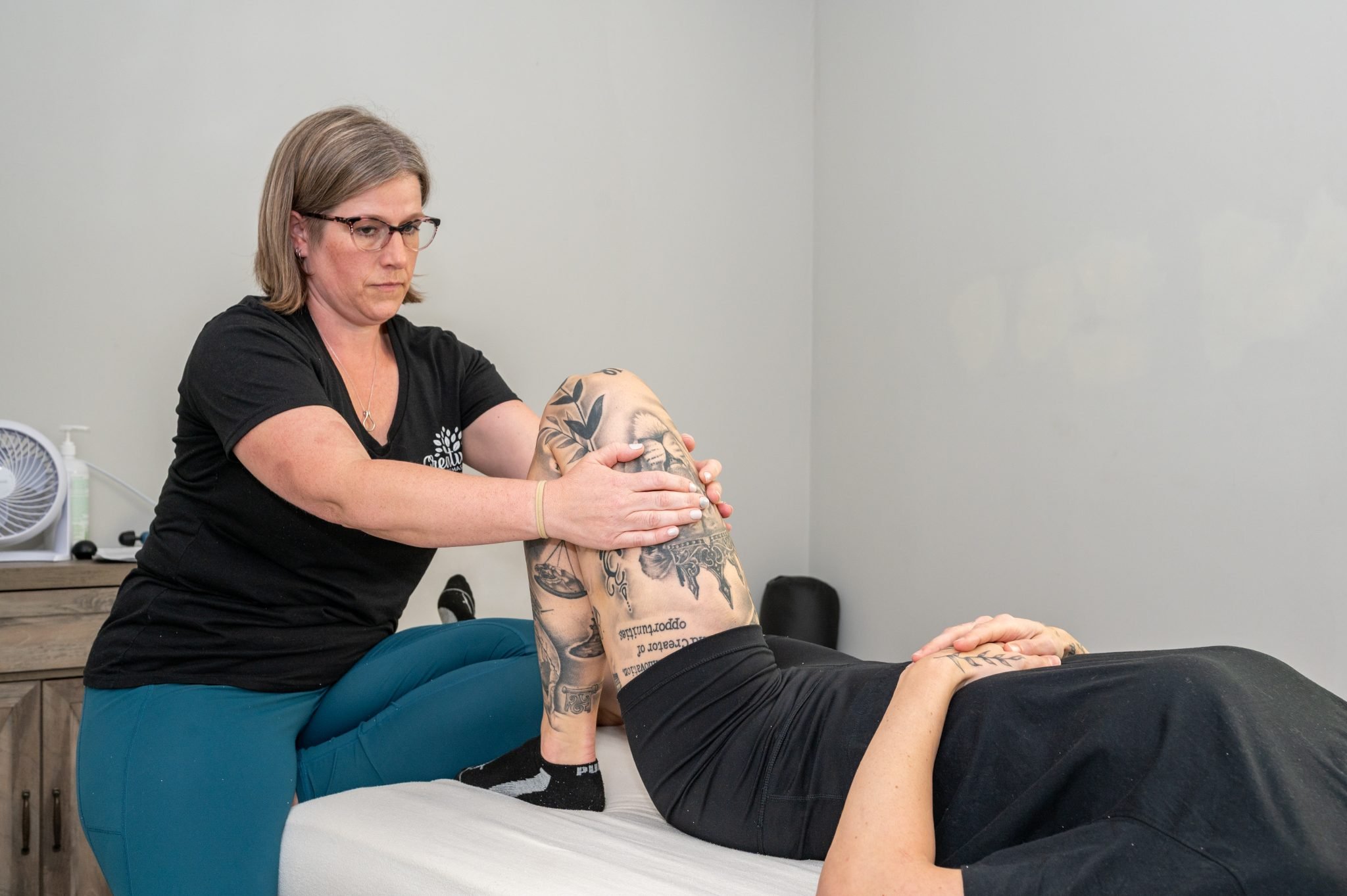
Targeted techniques with a purpose. Rather than a full-body sequence, a clinical session might spend forty minutes on your neck, shoulders, and forearms because that’s where the problem lives. Techniques like trigger point therapy, myofascial release, deep tissue work, and stretching are chosen deliberately, based on what your tissues are telling us.
A plan, not just a session. Clinical massage often works best as a series. Chronic tension that built up over years rarely resolves in one visit. A good therapist will talk with you about frequency, progress markers, and what you can do between appointments.
The Problems Massage Can Actually Address
This is where the “just relax” framing really sells massage short. Skilled, treatment-focused massage therapy can play a supportive role in managing a wide range of common issues:
Chronic neck, shoulder, and back tension. The modern trifecta. Desk work, driving, and phone use load the same muscle groups day after day. Massage helps release chronically shortened tissue, improve circulation to overworked areas, and restore range of motion.
Tension headaches. Many headaches originate not in the head but in the muscles of the neck, jaw, and upper shoulders. Releasing trigger points in these areas can reduce both the frequency and intensity of headaches for many people.
Recovery from injury and overuse. Whether you’re a weekend runner, a gardener who overdid it, or someone rehabbing after a strain, massage supports the healing process by improving circulation, reducing protective muscle guarding, and addressing the compensation patterns that develop when we move differently to avoid pain.
Repetitive strain issues. Forearm and wrist discomfort from typing, elbow pain from gripping tools, hip tightness from sitting — repetitive strain builds quietly until it doesn’t. Regular targeted work can interrupt that cycle before it becomes something bigger.
Stress-related physical symptoms. Jaw clenching, shallow breathing, digestive tension, and disrupted sleep often have a muscular component. Addressing the physical side of stress can make the mental side easier to manage, too.
Your Massage Therapist Is a Trained Professional
Here’s something many clients don’t realize: licensed massage therapists complete substantial training in anatomy, physiology, kinesiology, and pathology before they ever work on a paying client. In Ohio, massage therapy is regulated by the State Medical Board — the same body that oversees physicians.
That training matters. It’s why your therapist asks about medications and health conditions on your intake form. It’s why they know when deep pressure is helpful and when it’s contraindicated. It’s why they can recognize when your issue is something massage can help — and when it’s something that should be evaluated by a doctor, physical therapist, or chiropractor first. Good clinical massage therapists see themselves as part of your broader wellness team, not a replacement for it.
Relaxation and Treatment Aren’t Opposites
Here’s the part we love most: you don’t have to choose. The nervous system shift that makes massage relaxing is often exactly what makes clinical work effective. Muscles release more completely when your body isn’t braced. Pain perception decreases when your stress response quiets down. A session that targets your chronic shoulder tension can still leave you feeling like you floated out the door.
The best massage therapy lives in that overlap — technically skilled, purposefully targeted, and deeply restorative all at once.
What This Means for Your Next Appointment
If you’ve been thinking of massage as an occasional treat, consider reframing it as part of how you take care of your body — like exercise, sleep, and good nutrition. A few practical suggestions:
Tell us what’s really going on. Don’t save the “oh, and my hip has been bothering me for months” for the last five minutes. The more we know, the better we can help.
Be open to a focused session. Sometimes the most valuable hour skips the full-body routine and goes straight to the source of the problem.
Think in terms of consistency. For chronic issues, regular sessions spaced weeks apart often accomplish what a single marathon session can’t.
So yes — come to Creative Wellness Massage to relax. We’ll always make sure you leave feeling better than when you arrived. But know that behind every session is training, assessment, and intention. “Just relax” is a wonderful place to start. It’s simply not the whole story.
Ready to experience the clinical side of massage for yourself? Contact Creative Wellness Massage to schedule your appointment today.