You’ve just stepped off the table. Your muscles are soft, your mind is quiet, and your therapist hands you a small cup of water with a gentle reminder: “Make sure to stay hydrated.” It sounds simple enough. But the reason behind that advice is far more interesting — and more important — than most people realize.
What happens inside your body during a massage sets the stage for what it needs afterward. And if you want to feel truly restored — rather than groggy, achy, or “off” the next day — understanding the post-massage window can make all the difference.
What’s Actually Happening During Your Massage
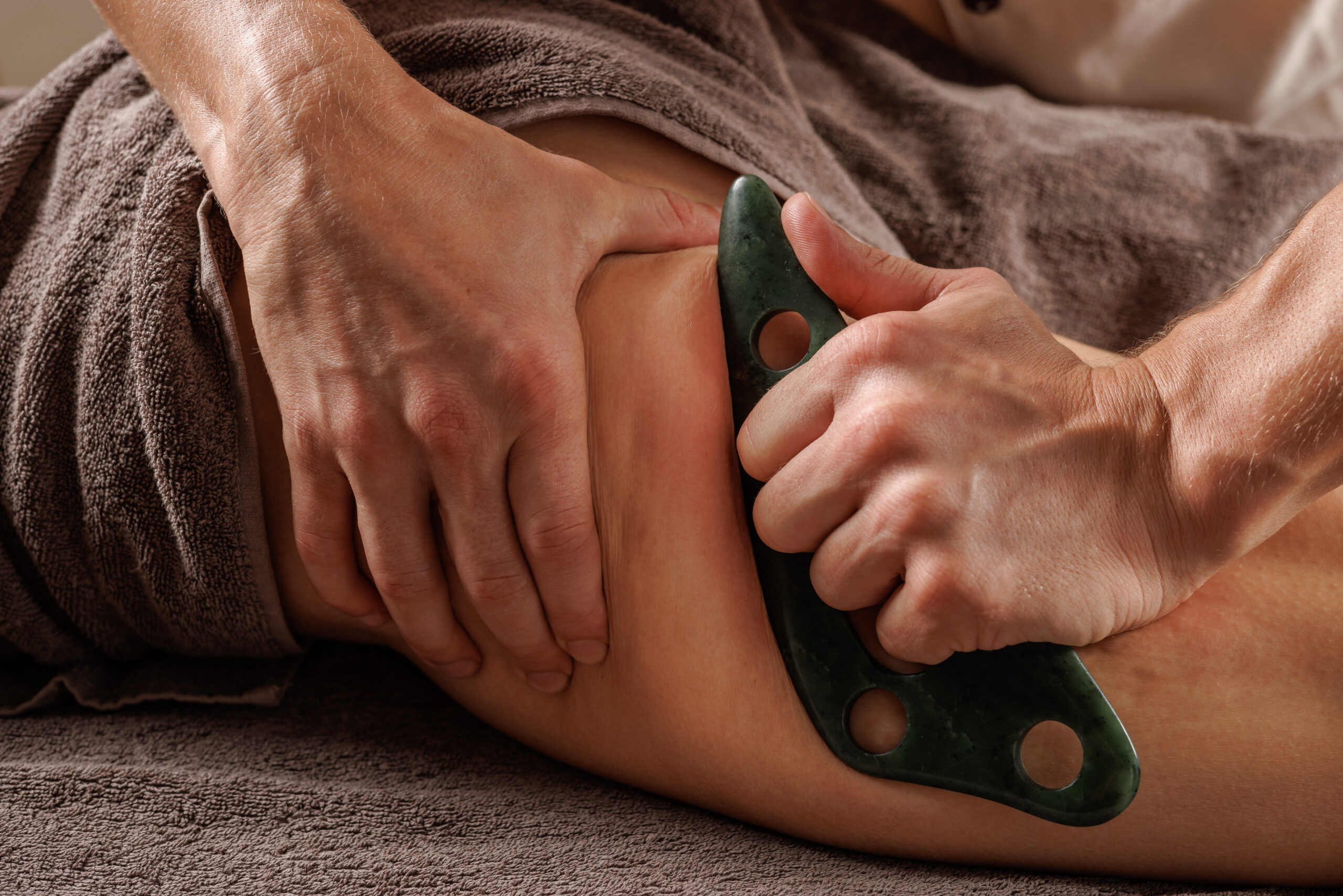
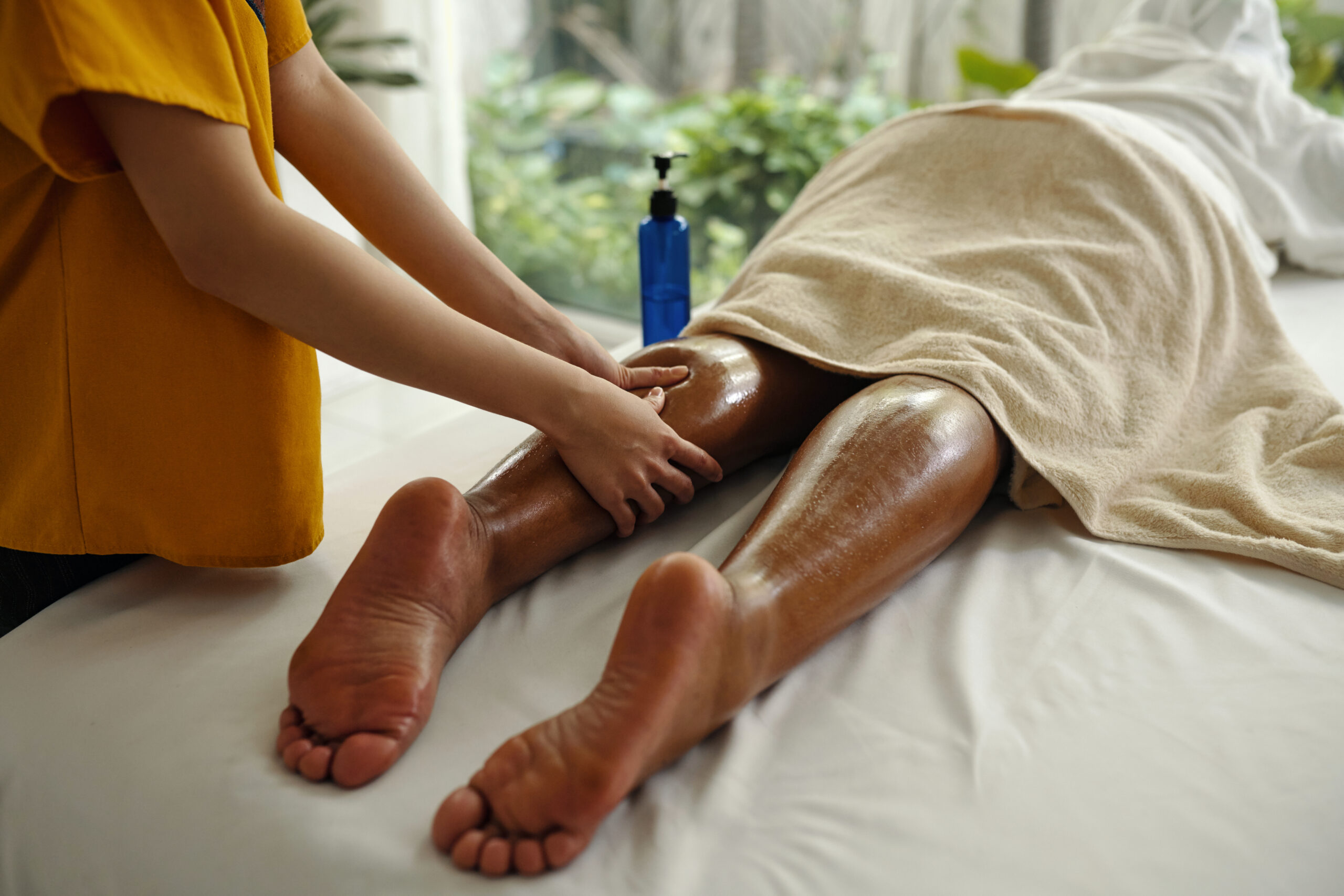
Massage isn’t just relaxation — it’s a physiological event. When your therapist works through muscle tissue, several things happen simultaneously: circulation increases, bringing fresh oxygen and nutrients to tissues; the lymphatic system is stimulated, accelerating the removal of cellular waste; tight fascia and muscle fibers are physically manipulated, releasing tension that may have been held for weeks or months; and metabolic byproducts — including lactic acid and other waste products accumulated in overworked muscles — are mobilized into the bloodstream.
That last point is crucial. Think of tight, underused muscles as sponges that have been holding stagnant fluid. Massage essentially wrings them out. The waste that was trapped locally now moves into general circulation — which means your body’s filtration systems (primarily your kidneys and liver) suddenly have more work to do.
This is a good thing — but only if your body has what it needs to complete the process.
The Problem with Plain Water
Drinking water after a massage is absolutely necessary. But it may not be sufficient on its own — especially if you received a deep tissue or therapeutic massage, exercise regularly or carry significant muscle tension, already tend toward dehydration, or notice post-massage soreness lasting more than a day.
Here’s why: when you flush the body with plain water after mobilizing metabolic waste, you’re diluting your blood plasma without replacing the minerals your cells need to actually absorb and use that hydration. You can drink large amounts of water and still end up functionally dehydrated at the cellular level.
This is the difference between hydration and cellular hydration. For water to enter your cells and do its job, it needs electrolytes to guide the process.
What Electrolytes Actually Do
Electrolytes are minerals that carry an electrical charge when dissolved in fluid. The major ones are sodium, potassium, magnesium, and calcium. In the context of post-massage recovery, three stand out:
Sodium is the primary electrolyte in your extracellular fluid and is responsible for fluid balance. After a massage, sodium helps draw water into circulation so your kidneys can efficiently process and excrete the waste that was just released from your tissues. Without adequate sodium, water stays in the gut rather than moving to where it’s needed.
Potassium is the electrolyte inside your cells. It works in tandem with sodium to regulate what moves in and out of the cell membrane. Potassium is also critical for muscle recovery — low levels are directly linked to muscle cramping, fatigue, and prolonged soreness. After a session that has worked your muscles deeply, replenishing potassium helps tissues recover faster.
Magnesium is sometimes called the “relaxation mineral” — and for good reason. It plays a direct role in muscle relaxation, nerve function, and the regulation of the stress hormone cortisol. A significant percentage of the population is chronically low in magnesium without knowing it, which can make post-massage soreness worse and leave the nervous system slow to downregulate after stimulation.
The Post-Massage Window: Why Timing Matters
In the one to two hours following your massage, your body is in an active recovery state. Circulation is elevated, your lymphatic system is working hard, and your muscles are responding to the work they just received. This window is when what you put into your body has an outsized effect.
Drinking electrolyte-rich fluid during this period supports faster clearance of metabolic waste from circulation, reduced next-day muscle soreness, better sleep quality that night (magnesium in particular supports this), and a more grounded, sustained sense of calm rather than the “massage hangover” some people experience.
That “massage hangover” — the foggy, heavy, or mildly achy feeling some people notice the day after a deep session — is often not an inevitable side effect of massage. It can be a sign that the body didn’t have enough resources to complete the recovery process it started on the table.
What to Actually Drink (and What to Avoid)
Good choices:
- Quality electrolyte drinks or powders — look for options with sodium, potassium, and magnesium with minimal added sugar. The goal is mineral replacement, not a sugar spike.
- Coconut water — a natural source of potassium and trace minerals. Opt for unsweetened varieties.
- Herbal teas — ginger tea supports circulation and has mild anti-inflammatory properties. Chamomile supports the nervous system and sleep.
- Water with a pinch of sea salt and a squeeze of lemon or lime — a simple, low-cost way to add trace minerals to plain water.
- Bone broth — rich in sodium, potassium, and amino acids that support connective tissue repair.
Limit or avoid in the hours after your massage:
- Alcohol — a diuretic that actively pulls fluid from your tissues and interferes with your liver’s ability to process the metabolic waste massage just released. Many people who drink after a massage notice significantly more soreness the next day.
- Large amounts of caffeine — moderate caffeine is generally fine, but large doses can be mildly dehydrating and may counteract the calm, parasympathetic state your body just shifted into.
- Sugary sports drinks — many commercial options contain high amounts of sugar and artificial dyes with minimal actual electrolyte content. The sugar can create an inflammatory response that works against recovery.
Don’t Forget: Food Matters Too
Light, whole-food meals that include leafy greens (magnesium, potassium), bananas or avocados (potassium), nuts and seeds (magnesium), and lean protein (for tissue repair) can extend the benefits of your session. Avoid heavy, processed, or inflammatory foods immediately after — your digestive system and detox pathways are already working hard.
The Bottom Line
A great massage does more than release tension in the moment. It sets a physiological process in motion — one that can either be fully supported or inadvertently undermined by what you do next.
Drinking quality electrolytes after your session isn’t a luxury add-on. It’s a direct investment in getting the most out of the time and care you just put into your body. Your muscles are ready to let go. Give your body what it needs to finish the job.